
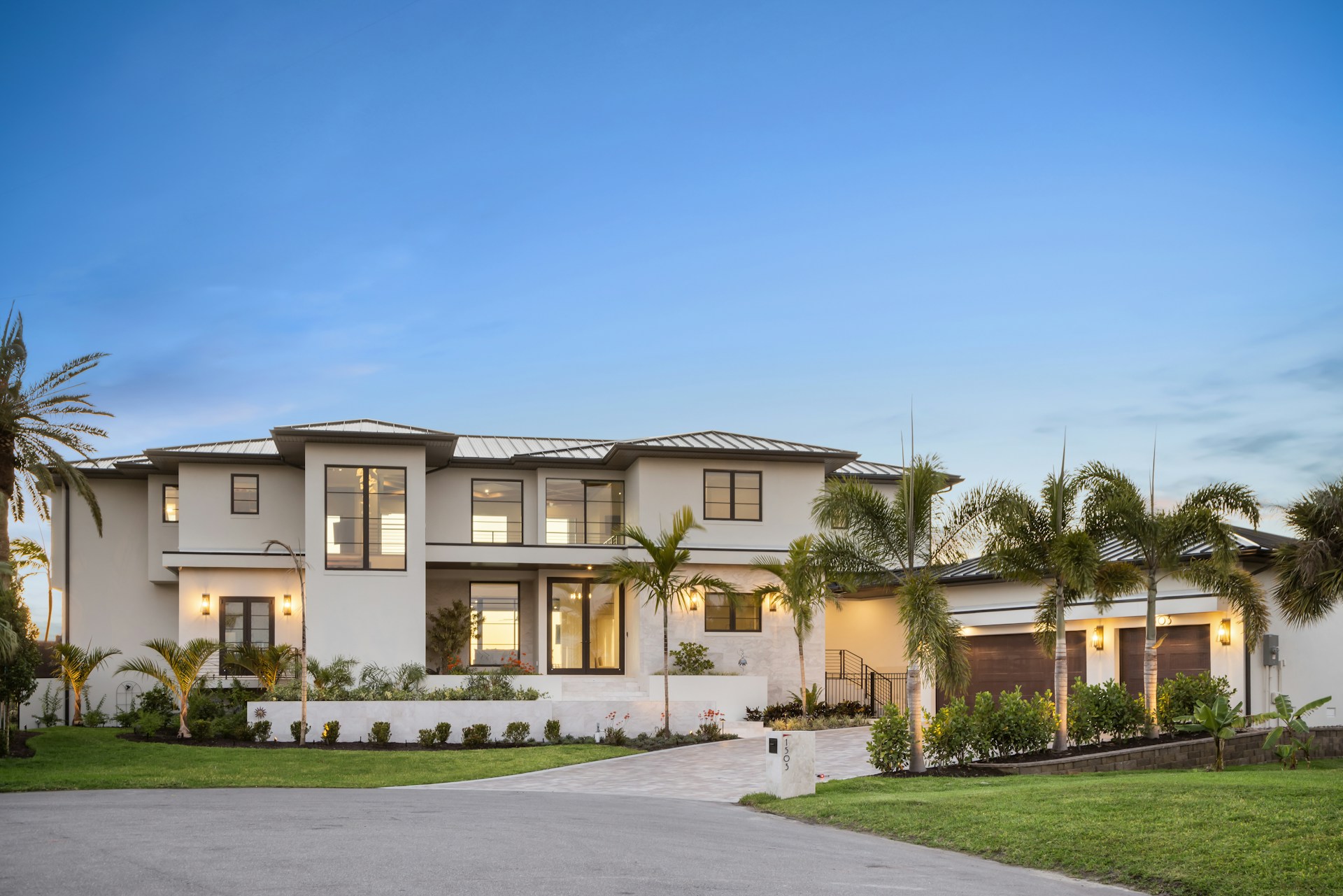
A 10kW solar system with a 20kWh battery is a substantial solar-and-storage installation for a South African home, estate or demanding small property. It combines enough inverter capacity for significant simultaneous loads with a battery large enough to shift a meaningful amount of daytime solar energy into the evening and provide longer backup than a smaller battery.
The important point is that a 10kW inverter and a 20kWh battery measure two different things. The inverter determines how much power can be supplied at one time, while the battery determines how much stored energy is available over time.
How much does a 10kW solar system with a 20kWh battery cost in South Africa?
For 2026 planning purposes, a complete 10kW solar system with a 20kWh lithium battery can reasonably sit in a broad range of approximately R160,000–R250,000+ installed, depending on the equipment, solar-array size, electrical work, installation complexity and backup scope.
This is a planning range rather than a Solar8 quotation. Published South African prices vary substantially. For example, a current 10kW Sungrow package is advertised with a 20kWh inverter-and-battery bundle at around R94,731 before the remaining solar panels, protection, mounting and installation scope are added. Other 2026 market guides place fully installed systems with 20kWh or larger batteries toward the upper end of the range. citeturn0search10turn0search1
The final price should therefore be based on a complete equipment list and a property assessment rather than the inverter size alone.
What is included in a 10kW solar system with a 20kWh battery?
A properly specified complete system normally includes much more than an inverter and battery.
- 10kW hybrid inverter or appropriately configured inverter system
- Solar panels and mounting structure
- 20kWh lithium battery storage
- DC and AC protection
- Solar cable and connectors
- Battery cabling and protection
- AC isolators, breakers and distribution equipment
- Earthing and surge protection where required
- Backup or essential-load distribution changes where required
- Installation and commissioning
- Electrical testing and applicable compliance documentation
When comparing quotations, check that these items are included rather than assuming that an advertised package contains everything needed for a finished installation.
How many solar panels do you need for a 10kW system?
The number of panels depends on the wattage selected and the inverter's permitted PV input. A 10kW inverter does not necessarily mean exactly 10kWp of panels.
For example:
| Panel wattage | Example panel count | Approximate array size |
|---|---|---|
| 450W | 22 | 9.90kWp |
| 500W | 20 | 10.00kWp |
| 550W | 18 | 9.90kWp |
| 600W | 18 | 10.80kWp |
| 620W | 17 | 10.54kWp |
Modern installations may deliberately use a solar array larger than the inverter's nominal AC output. The correct design depends on the inverter's maximum PV voltage and current, MPPT ranges, panel electrical characteristics, roof space and the expected solar resource at the property.
Solar8's 10kW solar panel guide explains the panel-sizing question in more detail.
Why choose a 20kWh battery with a 10kW inverter?
A 20kWh battery provides substantially more stored energy than a typical 5–10kWh residential battery. It can be useful where the property has high evening consumption or where the owner wants a larger reserve during grid interruptions.
The battery can serve several purposes:
- Store excess solar energy during the day
- Reduce evening grid consumption
- Provide backup during load shedding or outages
- Support selected high-priority circuits
- Provide additional energy for a larger evening load
However, a larger battery only provides value when it can be regularly charged and appropriately discharged. If the property's solar array is too small, there may not be enough excess daytime energy to recharge 20kWh consistently.
How long will a 20kWh battery last?
A 20kWh battery does not automatically provide 20 hours of backup. Runtime depends on the average load and the battery's usable capacity.
If approximately 18kWh is available after reserve and system losses, simplified examples are:
| Average load | Approximate runtime |
|---|---|
| 500W | About 36 hours |
| 1kW | About 18 hours |
| 1.5kW | About 12 hours |
| 2kW | About 9 hours |
| 3kW | About 6 hours |
| 5kW | About 3.6 hours |
| 8kW | About 2.25 hours |
These are simplified illustrations. Actual runtime changes as appliances switch on and off, inverter efficiency changes, battery reserve settings are applied and the battery reaches its discharge limits.
Can a 10kW solar system run a geyser, pool pump and air conditioner?
A 10kW inverter provides considerably more power headroom than a typical 5kW residential system, but the answer depends on the actual appliance ratings and whether they operate simultaneously.
Common high-demand loads include:
- Electric geysers
- Pool pumps
- Air conditioners
- Electric ovens and hobs
- Borehole and irrigation pumps
- Heat pumps
- Electric vehicle chargers
- Large refrigeration loads
A good design can prioritise daytime solar for high-energy appliances such as a geyser or pool pump while preserving battery energy for evening use and backup. The inverter's continuous and surge ratings must still be checked against the property's real load profile.
What affects the cost of a 10kW system with a 20kWh battery?
- Battery manufacturer and model: warranty, usable capacity, chemistry and discharge power affect cost.
- Inverter: brand, phase configuration, backup capability and PV-input specifications all matter.
- Solar-panel array: a larger kWp array requires more panels, mounting and roof area.
- Installation: roof height, access, cable distances and mounting complexity can change labour costs.
- Electrical upgrades: DB-board modifications, protection and backup circuits may be required.
- Three-phase requirements: a three-phase property may need a different inverter architecture from a single-phase property.
- Backup scope: essential-load backup and whole-home backup are not the same installation.
- Compliance: testing, certification and applicable municipal or utility processes should be included where required.
Is a 20kWh battery enough for a large home?
For many properties, 20kWh is a substantial amount of storage, but whether it is enough depends on how much electricity the property consumes after sunset and what must remain powered during an outage.
A home using an average of 2kW during the evening could theoretically consume around 10kWh over five hours. A property averaging 4kW over the same period would consume about 20kWh before allowing for reserve and system losses.
This is why battery sizing should start with an actual electricity-consumption profile rather than a simple rule such as matching battery kWh to inverter kW.
Solar8's 10kW battery-storage guide explains how to select storage according to backup goals and consumption.
10kW with 20kWh battery vs 10kW with 10kWh battery
| Configuration | Typical use case |
|---|---|
| 10kW + 10kWh | Evening energy shifting and shorter essential-load backup |
| 10kW + 15kWh | Higher evening demand and longer backup periods |
| 10kW + 20kWh | Large evening loads and substantial backup reserve |
| 10kW + 30kWh+ | Very high consumption, extended backup or demanding properties |
The 20kWh option should be selected because the property needs the additional energy, not simply because a larger battery sounds better. The battery also needs enough solar generation and charging power to make effective use of its capacity.
Single-phase or three-phase for a 10kW system?
Some 10kW installations can be configured for single-phase properties, while larger or more demanding properties may use three-phase equipment or a multi-inverter architecture.
Before accepting a quotation, confirm:
- The property's electrical phase configuration
- The exact inverter model
- How backup power is distributed
- Whether the proposed inverter supports the required PV and battery configuration
- Whether any DB-board or supply upgrades are required
What should a 10kW + 20kWh quotation include?
Ask every installer to provide the same level of detail so you can compare like-for-like.
- Exact inverter manufacturer and model
- Inverter output and phase configuration
- Solar-panel manufacturer and wattage
- Number of panels and total kWp
- Battery manufacturer and model
- Rated and usable battery capacity
- Battery continuous and peak discharge power
- Mounting structures
- DC and AC cabling
- Protection, isolators and surge protection
- Backup-board or DB-board modifications
- Installation and commissioning
- Compliance documentation and CoC where applicable
- Equipment warranties
- Installer workmanship warranty
- Any exclusions or additional site costs
What is a realistic budget for a 10kW solar system with a 20kWh battery?
For budgeting purposes, R160,000–R250,000+ is a reasonable broad planning range for a complete 10kW solar system with 20kWh lithium battery storage in South Africa in 2026.
Published prices demonstrate why the range is broad. A current 10kW Sungrow package lists a 20kWh inverter-and-battery bundle at about R94,731 before the remaining system components and installation are accounted for. A separate 2026 market guide places premium 10–12kW systems with 20kWh+ high-voltage batteries around R190,000–R250,000 installed. citeturn0search10turn0search1
The exact Solar8 system price depends on the property, equipment selected, solar-array size, battery configuration, electrical work and backup requirements.
How does this compare with a 10kW system without a battery?
A battery changes the purpose as well as the cost of the installation. A solar system without substantial storage can produce electricity during daylight hours and reduce grid consumption, but it cannot provide the same amount of stored energy for evening use or backup.
Solar8's 10kW solar system cost guide covers the broader 10kW system question, while this guide focuses specifically on the additional storage provided by a 20kWh battery.
Is a 10kW solar system with a 20kWh battery worth it?
It can make sense when a property has high electricity consumption, substantial evening loads or a strong requirement for backup power.
The combination is particularly relevant to larger homes and properties with pools, boreholes, multiple air conditioners, electric water heating, home offices or other significant loads. The system should still be designed around the property's measured consumption and electrical infrastructure.
Get a 10kW solar system designed for your property
Solar8 supplies complete solar systems for South African homes and businesses. The right combination of inverter, solar panels and battery storage depends on your electricity consumption, peak demand, roof, electrical supply and backup requirements.
Instead of choosing a generic 10kW + 20kWh package, have the complete solution designed around how your property actually uses electricity.
Get My FREE Assessment and let Solar8 help you determine the right solar array, inverter and battery configuration for your property.